The difference between you and them? SEO.
And here is the good news: you do not need a massive marketing budget, a team of 10 people, or a computer science degree to make SEO work for your small business. You just need the right advice — and someone to show you exactly what actually works.
That is exactly what this guide is for.
In this article, we are going to walk you through proven, actionable SEO advice for small businesses that you can start implementing today — strategies that have helped our clients generate thousands of leads from Google, without spending a single rupee on ads.
What Is SEO and Why Does It Matter for Small Businesses?
SEO (Search Engine Optimization) is the practice of improving your website so it appears at the top of Google search results when people search for your products or services — completely for free.
Here is why SEO is arguably the most important digital investment a small business can make:
| Marketing Channel |
Cost |
Lifespan |
Lead Quality |
|
SEO
|
Low
(time investment)
|
Long-term,
compounding
|
Very High
|
|
Google Ads (PPC)
|
High
(pay per click)
|
Stops when budget
ends
|
High
|
|
Facebook Ads
|
Medium
|
Stops when budget
ends
|
Medium
|
|
Word of Mouth
|
Free
|
Unpredictable
|
Very High
|
|
SEO + Content
|
Low-Medium
|
Permanent,
growing
|
Very High
|
The numbers speak for themselves:
| # |
Metric |
SEO Statistic |
Category |
|
01
|
🔍
|
93%
of online experiences begin with a
search engine
|
Search
|
|
02
|
📊
|
75%
of users never scroll past
Google's first page
|
Visibility
|
|
03
|
💰
|
Organic SEO leads have a
14.6% close rate
vs
1.7%
for outbound marketing
|
Conversions
|
|
04
|
📈
|
SEO drives
1,000%+ more traffic
than organic social media
|
Traffic
|
For a small business competing against larger brands with bigger ad budgets, SEO is the great equalizer. A well-optimized small business website can — and regularly does — outrank national brands on Google.
The Reality of SEO in 2026 — What Has Changed?
Before we dive into the tactics, it is important to understand that SEO in 2026 is not what it was five years ago. Google has made significant changes that every small business owner must understand:
1. AI-Powered Search Is Here Google's Search Generative Experience (SGE) now uses AI to answer many queries directly on the results page. This means your content needs to be clear, authoritative, and structured in a way that AI can extract and feature.
2. Helpful Content Wins Google's Helpful Content updates have penalized thin, generic, or AI-generated content that does not genuinely help users. In 2026, content that is detailed, original, and written for humans — not just for Google bots — consistently outranks everything else.
3. User Experience Is a Ranking Factor Google measures how people interact with your site. If visitors land on your page and immediately hit the back button (called "pogo-sticking"), Google interprets this as a signal that your content did not help — and pushes you down in rankings.
4. Mobile-First Is Non-Negotiable Google indexes the mobile version of your website first. If your site is not perfectly optimized for mobile devices, you are at a serious ranking disadvantage regardless of how good your desktop site looks.
Now that you understand the landscape, let us get into the SEO advice that actually works.
Step 1: Keyword Research — Find What Your Customers Are Searching
The foundation of all good SEO for small businesses starts with knowing exactly what your potential customers type into Google.
Most small business owners make one critical mistake: they target keywords that are too broad and too competitive. Ranking for "web design" when you are a small business competing against agencies with millions of dollars in marketing budgets is virtually impossible.
The solution? Long-tail keywords.
What Are Long-Tail Keywords?
Long-tail keywords are longer, more specific search phrases that your ideal customers type when they are ready to buy.
|
Broad Keyword
|
Long-Tail Keyword
|
|
web design
|
affordable web design company for small business in Ludhiana
|
|
SEO
|
local SEO services for restaurants in Punjab India
|
|
digital marketing
|
social media marketing for real estate agents India
|
|
logo design
|
professional logo design for coaching business under ₹5000
|
Long-tail keywords have:
✅ Much less competition — easier to rank for
✅ Higher buying intent — people are ready to act
✅ Better conversion rates — more targeted visitors
✅ Faster ranking timeline — you can see results in weeks, not years
How to Find the Right Keywords for Your Small Business
Step 1: Start With Google Autocomplete Type your main service into Google and look at what suggestions appear. These are real searches people are making right now.
Step 2: Check "People Also Ask" and "Related Searches" These sections at the bottom of Google results are a goldmine of keyword ideas your customers are actively searching.
Step 3: Use Free Keyword Tools
⚫ Google Keyword Planner — Free with a Google account, shows real search volumes
⚫ Ubersuggest — Free plan available, excellent for small business keyword research
⚫ Answer the Public — Shows questions people ask about your topic
⚫ Google Search Console — Shows what keywords are already bringing visitors to your site
Step 4: Spy on Your Competitors Search your main keyword and look at what words your top-ranking competitors use in their page titles and headings. These are the keywords that are clearly working in your market.
Step 2: On-Page SEO — Optimize Every Page the Right Way
Once you know your keywords, you need to properly place them on your website pages. This is called on-page SEO and it is one of the highest-impact areas of SEO advice for small businesses.
On-Page SEO Checklist for Every Page
Title Tag (Most Important)
⚫ Include your primary keyword near the beginning
⚫ Keep it under 60 characters
⚫ Make it compelling enough to get clicked
⚫ Example: "Affordable Web Design for Small Businesses | Vernova Solutions"
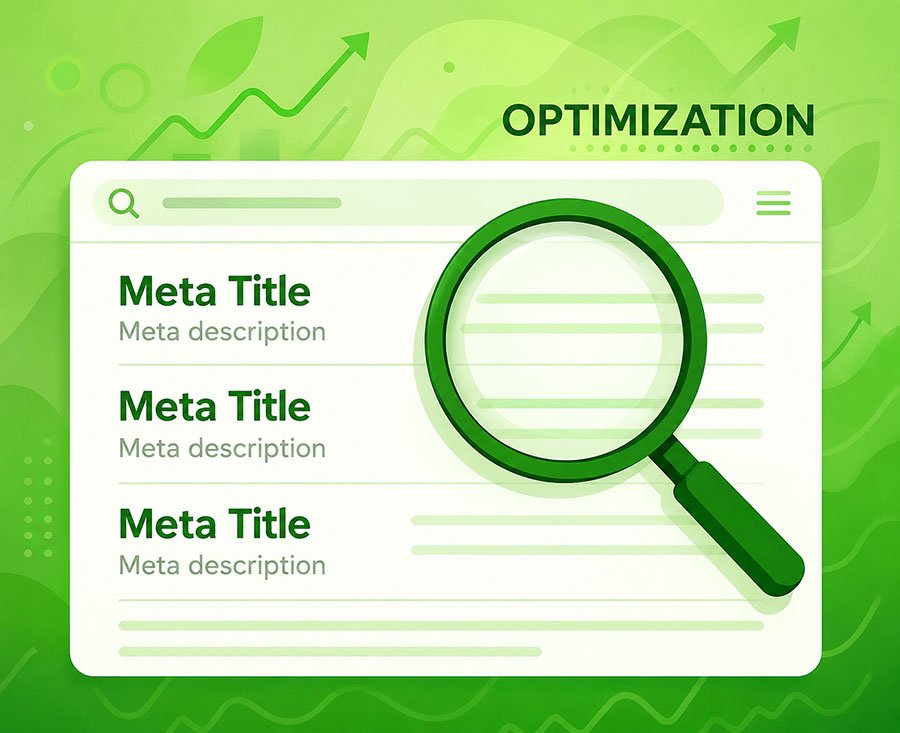
Meta Description
⚫ 150–160 characters describing the page content
⚫ Include your primary keyword naturally
⚫ Include a clear benefit or call to action
⚫ Example: "Professional, affordable web design for small businesses. We build fast, mobile-first websites that convert visitors into clients. Get a free quote today."
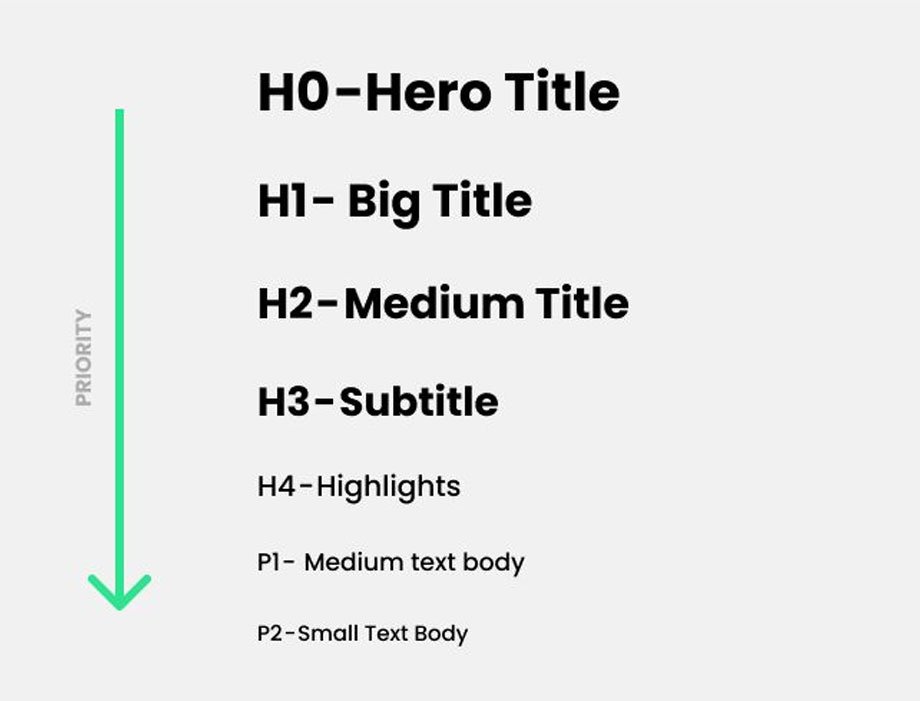
H1 Heading (Page Title)
⚫ Every page should have exactly ONE H1 tag
⚫ Include your primary keyword in the H1
⚫ It should match (or be close to) your title tag
H2 and H3 Subheadings
⚫ Use keywords naturally in your subheadings
⚫ Structure your content in a logical hierarchy
⚫ Make them descriptive and helpful — not just keyword-stuffed
Body Content
⚫ Include your primary keyword in the first 100 words
⚫ Use related keywords and synonyms naturally throughout
⚫ Minimum 500 words per service page; 1,500+ for blog posts
⚫ Write for humans first, search engines second
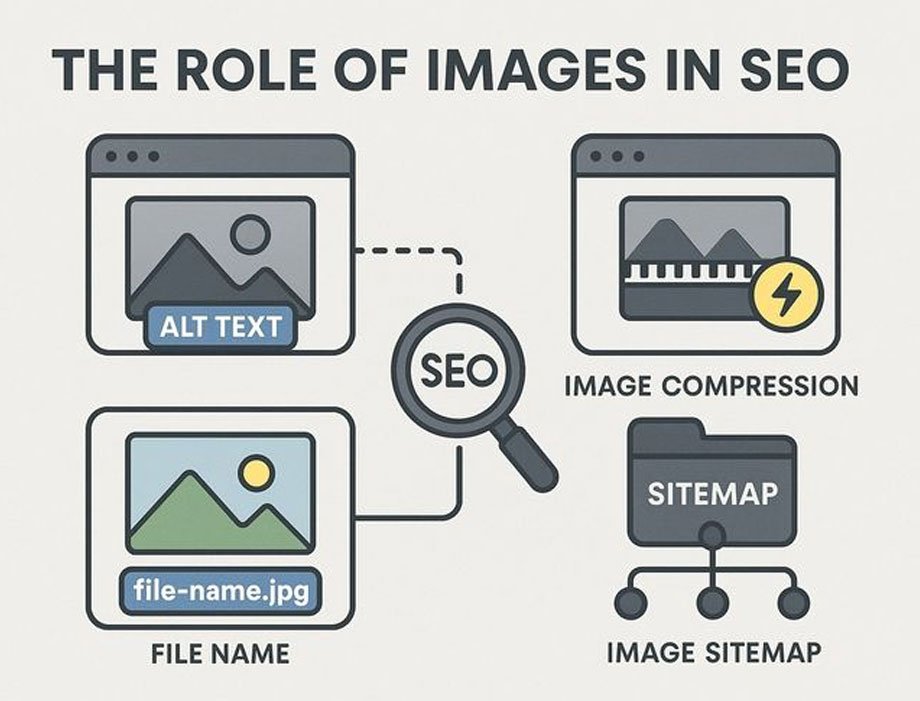
Image Optimization
⚫ Name image files descriptively: seo-advice-small-business.jpg not image001.jpg
⚫ Add alt text to every image: describes the image for Google and accessibility
⚫ Compress images to improve page loading speed
Internal Links
⚫ Link from each page to 3–5 other relevant pages on your website
⚫ This helps Google understand your site structure and distributes SEO power
⚫ Use descriptive anchor text: "our SEO services" rather than "click here"
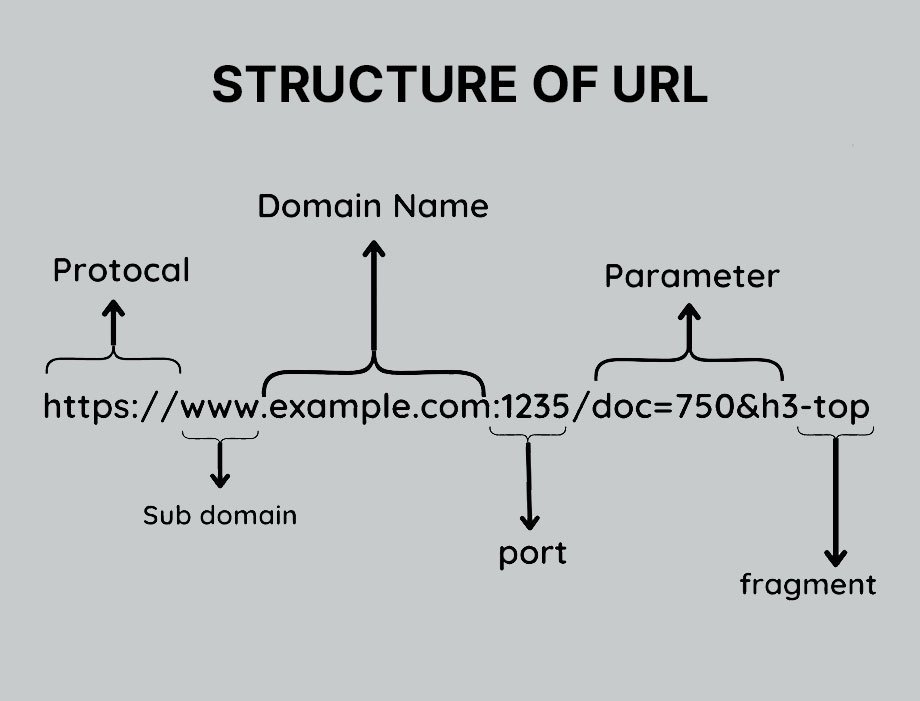
URL Structure
⚫ Keep URLs short and keyword-rich
⚫ Use hyphens, not underscores: vernovasolution.com/seo-services ✅
⚫ Avoid random numbers and characters in URLs
Step 3: Technical SEO — Fix the Foundation of Your Website
Think of technical SEO as the foundation of your house. The prettiest house in the world will collapse without a solid foundation. The same is true for your website.
Critical Technical SEO Factors for Small Businesses
Website Speed Google uses page speed as a direct ranking factor. A one-second delay in page load time reduces conversions by 7%.
⚫ Target: Load time under 2.5 seconds on mobile
⚫ Test at: pagespeed.web.dev (free tool by Google)
⚫ Quick fixes: Compress images, use a fast hosting provider, enable caching, minimize CSS and JavaScript
Mobile Responsiveness Your website must look and work perfectly on every screen size. Test it at search.google.com/test/mobile-friendly
HTTPS (SSL Certificate) Your website must start with https:// not http://. Google marks non-HTTPS sites as "Not Secure" and ranks them lower. Most hosting providers include SSL for free.
Core Web Vitals Google measures three specific user experience signals:
⚫ LCP (Largest Contentful Paint) — How fast the main content loads (target: under 2.5s)
⚫ FID (First Input Delay) — How fast your page responds to interaction (target: under 100ms)
⚫ CLS (Cumulative Layout Shift) — How stable your page layout is (target: under 0.1)
XML Sitemap A sitemap tells Google all the pages on your website. Submit it to Google Search Console so Google can find and index all your pages quickly.
Fix Broken Links Broken links (404 errors) hurt both user experience and SEO. Use free tools like Screaming Frog or Ahrefs Webmaster Tools to find and fix broken links.
Step 4: Content Marketing — The Fuel That Powers Your SEO
Content marketing and SEO are inseparable in 2026. Every piece of content you publish is a new doorway through which Google can bring customers to your website.
Why Content Marketing Is the Best Long-Term SEO Strategy
⚫ Every blog post targets a new keyword and attracts new visitors
⚫ Quality content earns backlinks from other websites (powerful SEO signal)
⚫ Regular content signals to Google that your site is active and authoritative
⚫ Content builds trust with potential clients before they even contact you
Content Marketing Strategy for Small Businesses
Blog Posts (Highest ROI Content Type)
⚫ Publish at minimum 2 blog posts per month to start
⚫ Each blog should target a specific long-tail keyword
⚫ Minimum 1,500 words for blogs to rank competitively
⚫ Include images, infographics, tables, and lists for better user experience
Service Pages
⚫ Create a dedicated, detailed page for every single service you offer
⚫ Each service page should target a specific keyword
⚫ Include: what the service is, how it works, who it is for, pricing/range, and a clear CTA
Case Studies
⚫ Document your client success stories with real numbers
⚫ "How we helped [Client Name] increase leads by 300% in 90 days"
⚫ Case studies are highly trusted and generate backlinks naturally
⚫ FAQs help you appear in Google's "People Also Ask" section
⚫ Structure them as clear questions and direct answers
⚫ Use schema markup to increase chances of appearing as a featured snippet
Step 5: Link Building — Build Authority Without Spammy Tactics
Backlinks — links from other websites pointing to yours — remain one of Google's most important ranking signals. A link from a reputable website to yours tells Google: "This business is trustworthy and authoritative."
Ethical Link Building Strategies for Small Businesses
1. Guest Blogging Write valuable articles for reputable industry blogs and websites. In exchange, you get a link back to your site. This builds authority and drives referral traffic simultaneously.
2. Local Business Partnerships Partner with complementary local businesses for mutual mentions and links. A web designer partnering with a printing company and exchanging website links is a perfect example.
3. Business Directory Listings Submit to legitimate, high-authority business directories. Each listing typically includes a link back to your website.
4. Create Link-Worthy Content Publish original research, statistics, infographics, or comprehensive guides. These naturally attract links from other websites that reference your data.
5. Testimonials for Backlinks Offer genuine testimonials to businesses whose products or services you use. Many companies publish customer testimonials on their website with a link back to the customer's site.
6. HARO (Help a Reporter Out) Journalists regularly search for expert quotes. Being featured in media articles provides powerful, high-authority backlinks.
What to Avoid
❌ Never buy bulk backlinks from link farms
❌ Never participate in private blog networks (PBNs)
❌ Never exchange links excessively ("I link to you, you link to me" schemes)
❌ Never use automated link-building tools that generate hundreds of links overnight
Google's algorithms are sophisticated enough to detect and penalize these tactics. Build links slowly, organically, and from relevant, high-quality sources.
Step 6: Google Business Profile — Your Free Page 1 Listing
If you take only one action from this entire article, make it this: set up and fully optimize your Google Business Profile (formerly Google My Business).
It is 100% free and it can put your business on Page 1 of Google — sometimes above businesses that have been doing paid advertising for years.
How to Optimize Your Google Business Profile
Complete Every Section Fill out every single field in your profile:
⚫ Business name (exactly as it appears on your website)
⚫ Category (choose the most specific one that matches your business)
⚫ Full address (or service area if you work remotely)
⚫ Phone number
⚫ Website URL
⚫ Business hours
⚫ Business description (use your keywords naturally)
Upload Fresh Photos Regularly Businesses with photos receive 42% more requests for directions and 35% more website clicks than those without. Upload photos of:
⚫ Your team and office
⚫ Your work and projects
⚫ Your products or services in action
⚫ Client events or meetings
Post Regular Updates Use Google Business Profile posts to share:
⚫ New service offerings
⚫ Special promotions and offers
⚫ Blog articles and industry tips
⚫ Client success stories and testimonials
Collect and Respond to Reviews
⚫ Actively ask every happy client for a Google review
⚫ Respond to every review — both positive and negative
⚫ Responding to reviews shows Google (and potential clients) that you are engaged and professional
Use Q&A Section Add the most common questions your customers ask, with detailed answers. This helps you appear in more search results and builds immediate trust with potential clients.
The Top SEO Mistakes Small Businesses Must Avoid
Even with the best intentions, many small businesses unknowingly sabotage their own SEO. Here are the most common and costly mistakes:
|
Mistake
|
Impact
|
Fix
|
|
Targeting keywords that are too competitive
|
Never ranking
|
Shift to long-tail keywords
|
|
Duplicating content across multiple pages
|
Google penalizes duplicate content
|
Make every page unique
|
|
Ignoring mobile optimization
|
Low rankings on mobile searches
|
Use responsive design
|
|
Not building any backlinks
|
Low domain authority
|
Start guest posting and directory listings
|
|
Publishing thin, short content
|
Google considers it low-quality
|
Write comprehensive, 1,500+ word content
|
|
Never updating old content
|
Pages lose rankings over time
|
Refresh content every 6–12 months
|
|
Skipping meta titles and descriptions
|
Lower click-through rates from Google
|
Optimize every page's meta data
|
|
Not tracking results
|
No idea what is working
|
Set up Google Analytics and Search Console
|
|
Expecting overnight results
|
Frustration and giving up too early
|
Commit to a 6–12 month strategy
|
|
Doing SEO once and stopping
|
Rankings disappear
|
SEO is an ongoing, continuous process
|
You do not need to spend thousands of rupees on SEO tools to get started. These free tools will cover 90% of what you need:
Frequently Asked Questions About SEO for Small Businesses
Q: How long does SEO take to show results for a small business?
SEO typically begins showing measurable results within 3–6 months for most small businesses. Local SEO and long-tail keyword rankings can appear faster — sometimes within 4–8 weeks. The timeline depends on your website's current state, competition in your market, and how consistently you apply the strategies. Committing to a minimum of 6–12 months gives SEO enough time to deliver transformative results.
Q: How much should a small business spend on SEO per month?
SEO investment varies widely. As a general guideline:
⚫ DIY SEO (doing it yourself): ₹0 cash but significant time investment
⚫ Basic professional SEO: ₹10,000–₹20,000 per month ($120–$250)
⚫ Comprehensive SEO campaign: ₹25,000–₹50,000 per month ($300–$600)
⚫ Competitive market SEO: ₹50,000+ per month ($600+)
Even a modest investment of ₹15,000–₹20,000 per month in professional SEO, consistently maintained over 12 months, typically generates a return of 5x–20x in new business.
Q: Can I do SEO myself as a small business owner?
Absolutely. The strategies covered in this guide are all things you can implement yourself. The main requirements are time, consistency, and a willingness to learn. The areas that most small business owners struggle to do effectively on their own are technical SEO, link building, and creating large volumes of high-quality content. Partnering with a professional agency for these specific areas while handling the rest yourself is a cost-effective approach for many small businesses.
Q: Does social media help with SEO?
Social media does not directly impact your Google rankings, but it supports SEO in several important indirect ways:
⚫ Social media drives traffic to your website (a positive signal to Google)
⚫ Content shared on social media attracts backlinks from people who discover it
⚫ A strong social media presence builds brand recognition, which increases branded search volume
⚫ Social profiles often rank in Google for your business name, controlling more Page 1 real estate
Q: Is SEO still worth it in 2026 with AI changing search?
SEO is not just still worth it in 2026 — it has never been more important. While AI is changing how search results are displayed, Google still uses the same fundamental signals (content quality, backlinks, user experience, technical performance) to decide which content to feature. The businesses that invest in high-quality, helpful, well-optimized content are the ones that both traditional search and AI-powered search will continue to favor. If anything, AI search has raised the bar for content quality — making well-executed SEO even more valuable.
Final Thoughts — What Happens When You Get SEO Right
When you apply the SEO advice in this guide consistently over the next 6–12 months, here is what happens:
📈 Your website starts appearing on Page 1 for your target keywords
📞 Your phone starts ringing with inbound calls from people who found you on Google
💰 You reduce your dependence on paid advertising and referrals
🏆 You build lasting digital authority that compounds over time
🌍 Customers from your city, your country, and around the world find you organically
SEO is not a quick fix. It is a long-term investment — like planting a tree. The best time to start was a year ago. The second best time is today.
If you are a small business owner ready to take your online presence seriously, Vernova Solutions is here to help. We have helped 500+ businesses across India, the USA, UK, UAE, Canada, and Australia build sustainable SEO strategies that generate real, measurable results.
Ready to Grow Your Business With SEO That Actually Works?
Stop guessing. Stop watching competitors rank above you. Let our expert SEO team build and execute a customized strategy that puts your business where your customers are already looking — Page 1 of Google.
At Vernova Solution, we specialize in building high-converting, SEO-optimized, mobile-friendly websites that actually grow your business. We've helped 200+ clients transform their online presence and start generating consistent leads online.
👉 [Book Your FREE SEO Consultation Today] — No commitment, no pressure, just real advice from real experts.